 What happens if you ignore TMJ symptoms? Early treatment is far cheaper than waiting, protecting your jaw, teeth, and daily comfort from lasting damage.
Priority Dental provides TMJ treatment to patients throughout Casper, WY, and that little click in your jaw might be the cheapest warning sign you’ll ever get. Morning headaches, a sore jaw while chewing, a “it’s just stress” shrug — these small signals often turn into years of discomfort when left unchecked. Dr. Nick White, Dr. Stuart Youmans, and Dr. Benjamin Emery want patients to know that TMJ is far easier and less expensive to manage early. Here’s what waiting can cost your comfort, your teeth, and your budget.
TMJ vs. TMD: What’s the Difference?
Dentists often use TMJ and TMD interchangeably, though they mean slightly different things. TMJ refers to the temporomandibular joint itself, while TMD describes the diagnosis of jaw pain and dysfunction affecting that joint. Patients typically notice pain and limited movement in the jaw and surrounding muscles. A clear diagnosis is the first step toward real relief.
Symptoms You Shouldn’t Brush Off
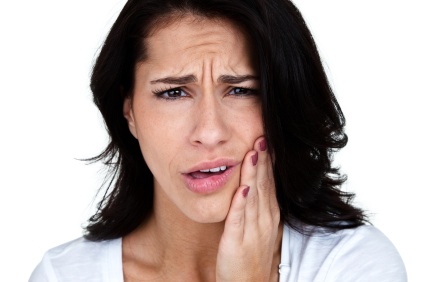
Pain in the face, ear, jaw, or mouth, trouble chewing, clicking or locking of the jaw joint, and recurring headaches or muscle spasms are all signs worth addressing. The earlier these symptoms are evaluated, the simpler treatment tends to be.
What Causes TMJ Disorder?
Overusing the jaw through excessive gum chewing or teeth grinding, injury to the jaw or teeth, misaligned teeth or jaw, poor posture, stress, and arthritis can all contribute to TMJ disorder. Grinding often happens subconsciously or during sleep, so many people don’t realize it’s happening until damage shows up.
The Real Cost of Waiting
Untreated TMJ carries physical costs, like chronic pain and ongoing headaches, along with dental costs from grinding that wears down, chips, or cracks teeth. Financially, repairing that damage later is usually more involved and expensive than preventing it now. There’s also a daily-life cost: lost sleep, distraction at work, and avoiding foods or social moments you’d otherwise enjoy. An early evaluation is a small step compared to the bigger bill that delayed care can bring.
When TMJ Damage Calls for Restorative Dentistry
When TMJ damage has already taken a toll, restorative dentistry can rebuild what’s been lost. Dental crowns protect and strengthen worn or cracked teeth, while bridges and implants replace teeth lost to damage. Restorative care brings back bite function and comfort, but treating the underlying cause matters too, so new restorations stay protected long-term.
Bite Guard Therapy: A Simple, Smart First Line of Defense
A custom bite guard, worn at night or during the day, reduces friction caused by grinding. Made from rigid acrylic, it raises the bite and repositions the jaw to relieve strain on the joint and surrounding muscles. It’s a proactive way to protect your teeth and potentially avoid costlier treatment later.
Small Habits That Ease Jaw Strain
Cutting back on gum chewing, staying mindful of posture, and finding healthy ways to manage stress can all ease jaw strain. Self-care helps, but some causes still need a dentist’s expertise to fully resolve.
Your Next Step Toward Relief
The longer TMJ goes untreated, the more it can cost you in comfort, dental health, and dollars. Don’t wait for the problem to grow. Contact Priority Dental to schedule a TMJ consultation and find lasting relief from jaw pain and headaches. We proudly serve Casper, WY.
Contact Priority Dental:
307-333-6285
Location (Tap to open in Google Maps):
1224 E. 2nd St.
Casper, Wyoming
82601